
Learn how a manual breast pump works, its benefits, and what to consider before choosing one for daily use.
Understanding How a Manual Breast Pump Fits into Daily Feeding Routines
For many mothers, pumping milk becomes part of a feeding routine at different stages of early parenthood. Some may need an option for occasional use, while others may want a simple and portable product for greater flexibility during the day. In these situations, a manual breast pump is often considered because it offers a practical way to pump milk without relying on electricity or batteries.
A manual pump is generally designed for mothers who want more control over the pace of expression and a product that is easy to carry, store, and use when needed. While it may appear simpler than an electric model, choosing the right product still requires attention to comfort, ease of use, and suitability for individual routines.
How It Works
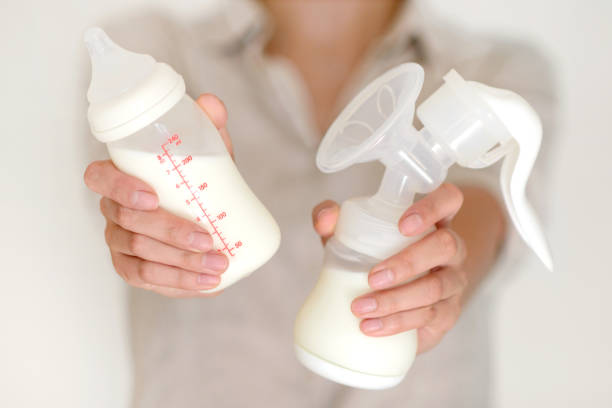
A manual breast pump is operated by hand, usually through a handle or lever that creates suction to pump milk. Because it does not require a power source, it is often used in situations where convenience and portability matter.
Many mothers find this type of pump useful for short sessions, occasional expressing, or travel. Its hand-operated design also allows users to control the rhythm and pressure more directly. This can be helpful for mothers who prefer a more personalized pace during expression.
Why Some Mothers Choose This Type of Pump
Simplicity
A manual pump usually has fewer parts than some electric alternatives, which may make it easier to assemble, clean, and store. It is also commonly chosen for its portability, especially by mothers who need a compact feeding accessory for outings or short periods away from home.
Flexibility
A manual breast pump may suit mothers who do not need to pump milk very often and prefer a straightforward product for occasional use.
What to Consider Before Choosing One
- Comfort: A pump should feel manageable and comfortable to use. A product that is difficult to grip or uncomfortable during use may be less practical over time.
- Ease of cleaning: Feeding accessories require regular hygiene care. Washable parts may be more convenient for daily use.
- Portability: A lighter product that can be packed easily may be more suitable for mothers who need flexibility throughout the day.
Finding the Right Fit for Your Routine
The most suitable pump often depends on how often it will be used and in what setting. Some mothers may only need to pump milk occasionally, while others may want a backup option alongside another feeding setup. In either case, choosing a manual breast pump should be based on realistic daily needs rather than assumptions about convenience alone.
Conclusion
A manual breast pump can be a practical option for mothers who want a simple, portable, and easy-to-manage way to pump milk. Its hand-operated design offers flexibility and control, while its compact form often makes it suitable for occasional use and daily mobility. By considering comfort, cleaning, portability, and routine needs, mothers can make the right decision when selecting the right pump for their feeding journey.