

Learn when desludging septic tank Selangor is needed, common warning signs, and how regular maintenance helps prevent costly drainage issues.
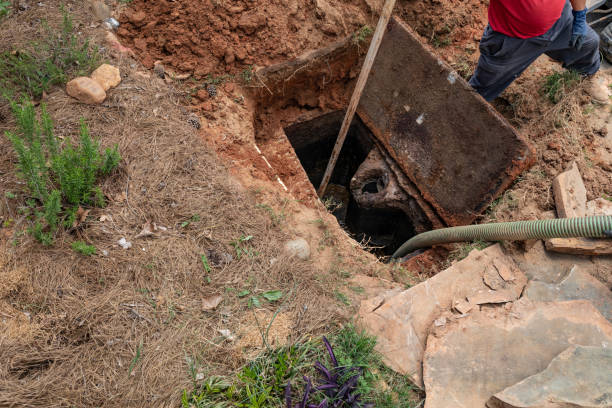
Desludging Septic Tank Selangor
A septic tank is important in managing wastewater for properties that are not connected to a central sewer line. Over time, solid waste settles at the bottom of the tank and forms sludge. When that buildup becomes excessive, the system can no longer work efficiently. This is why regular septic tank maintenance matters for homes, shops, and small commercial premises across Selangor.
Ignoring sludge accumulation can lead to slow drainage, unpleasant odours, overflow, and even damage to the surrounding property. In many cases, these issues develop gradually, which makes routine inspection and cleaning more practical than waiting for an emergency.
What Septic Tank Desludging Involves
Septic tank desludging is the process of removing accumulated sludge and scum from the tank. A trained service team usually uses vacuum equipment to extract the waste safely. They also check whether the tank is functioning as it should.
For property owners looking for desludging septic tank Selangor, the main goal is not just to clear waste. More importantly, it is to help the entire system continue operating reliably. Regular removal of sludge helps maintain flow, reduces the risk of blockages, and supports better hygiene around the property.
Signs Your Septic Tank May Need Attention
Several warning signs suggest that a septic tank may be due for cleaning. One of the most common is slow drainage from sinks, floor traps, or toilets. Foul smells near the tank area or drainage lines can also indicate that waste is not being processed properly.
Another sign is wastewater backing up into toilets or drains, especially during periods of heavy usage. In outdoor areas, patches of soggy ground or unusual pooling near the tank can point to overflow or system stress. These symptoms should not be ignored, as delays can increase repair costs and inconvenience.
How Often Should A Septic Tank Be Cleaned?
There is no single schedule that suits every property. The ideal frequency depends on tank size, household or business occupancy, water usage habits, and the amount of solid waste entering the system. In general, tanks should be inspected periodically and cleaned before sludge reaches a critical level.
Properties with higher daily usage may need more frequent service than lightly used residential units. Commercial sites, worker accommodations, and buildings with shared facilities often place heavier demands on septic systems, which means maintenance planning becomes even more important.
Why Preventive Maintenance Is The Smarter Approach
Preventive maintenance helps reduce the chance of disruption. Emergency pumping or repairs can be more expensive and may happen at the worst possible time. By arranging desludging as part of routine property care, owners can better manage costs and avoid sudden sanitation problems.
A well-maintained septic tank also supports a cleaner environment. When waste is allowed to overflow or seep improperly, it can affect surrounding soil, drainage systems, and general site conditions. Consistent upkeep is a practical way to protect both the property and the people using it.
In short, desludging septic tank selangor is an essential maintenance task for keeping wastewater systems safe and functional. If your property is showing warning signs or has not been serviced in some time, it is wise to arrange an inspection and take action before minor issues become larger problems.